Anxiety and depression · Comparison guide
Ketamine vs Antidepressants: Is Joyous Right for You?

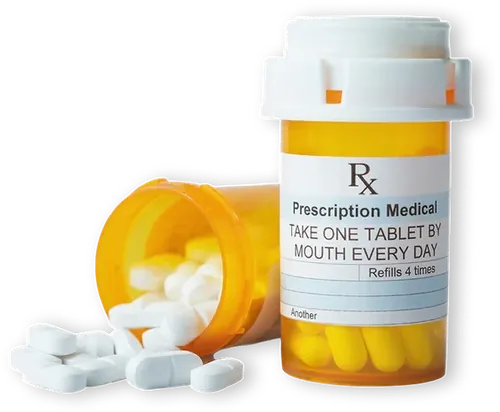
Prescription bottle of antidepressant pills
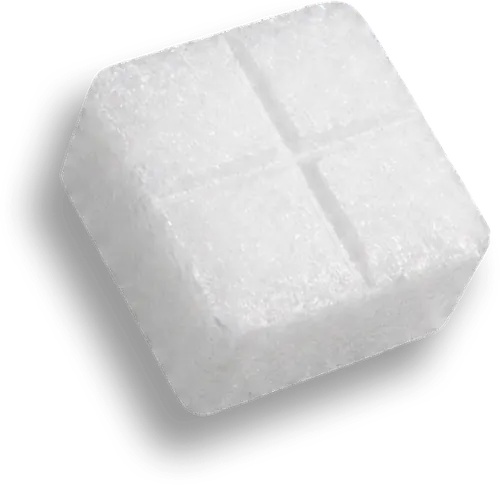
A Joyous ketamine troche, scored into four

The quick answer

Ketamine vs antidepressants

Antidepressants like Lexapro, Zoloft and Prozac (SSRIs) and Effexor and Cymbalta (SNRIs) are the standard first treatment for anxiety and depression. They work through raising serotonin in the brain.

Joyous treats anxiety and depression with low-dose (microdose) ketamine, taken daily at home. Ketamine works through a different system — glutamate — and supports the brain's ability to form new connections.[2,3]

Where the two differ most:

  • Mechanism:SSRIs manage the symptoms through serotonin.[3]Ketamine targets the root causes through neuroplasticity.[2]
  • Speed:Antidepressants take 4–8 weeks to work.[1,42]In Joyous patient data, a typical patient's depression score was cut in half in about 16 days.
  • Effectiveness:With a first antidepressant, studies find that 60% of those with anxiety and 47% of those with depression get a meaningful improvement.[16,43]In Joyous patient data, 87% of those with moderate-to-severe anxiety and 86% of those with moderate-to-severe depression cut their symptom scores in half or better within six weeks.
  • Side effects:Weight gain, lost libido and emotional blunting are common on SSRIs.[7,8,9]Weight gain, lost libido and emotional blunting are not ketamine effects. On Joyous, the main side effect is some drowsiness during the session, early on, in some patients, and 78% felt relaxed in their body.
  • Taking both:Most people can take ketamine and an SSRI together, under their clinician's direction.[38,41]

Joyous vs SSRIs

Joyous (Real-World Evidence Study) compared with SSRIs / SNRIs (Clinical Trials & Studies), feature by feature
FeatureJoyous (Real-World Evidence Study)SSRIs / SNRIs (Clinical Trials & Studies)
Works onGlutamate and neuroplasticitySerotonin (± norepinephrine)
TreatsRoot causes (Addresses synaptic connectivity and neuroplasticity)Symptoms (Modulates monoamine neurotransmitters)
Time to response~16 days (to cut scores in half)4–8 weeks (8–10-week trial in anxiety)[1,42]
Anxiety response87% (GAD-7, 6 weeks)~60% (on a first-line drug)[43]
Anxiety remission range59% (GAD-7, 6 weeks)20–47% (anxiety trials)[44]
Depression response86% (PHQ-9, 6 weeks)47% (STAR*D step 1)[16]
Depression remission range54% (PHQ-9, 6 weeks)28% (HAM-D, step 1)[16]
Weight gainNot reported21% (higher risk of gaining ≥5% of body weight)[7]
LibidoNot reported59% (report sexual dysfunction)[8]
Emotional bluntingNot reported46%[9]
What you feel78% (relaxed in the body);56% (open to exploring feelings)71% (flat or numb, in a survey)[23]
StoppingNo withdrawal effects documented15–56% (discontinuation symptoms)[11,12]
Take together?Usually, with your clinician's direction—
Cost$129/mo (3-month subscription, or $159/mo)~$3–$15/mo (+ visits)[4]

Different instruments, populations and settings. Joyous data: moderate-or-worse symptoms at the start, stayed in treatment, no control group.

Ketamine vs SSRIs: Which Treatment Is Right for You?

Joyous may fit if you:

  • live with depression, anxiety or PTSD
  • are dealing with chronic stress, grief or burnout
  • have treatment-resistant depression or anxiety, and SSRIs or SNRIs haven't worked
  • are worried about antidepressant side effects like weight gain, lost libido, brain fog or emotional flatness
  • want to feel a difference in weeks, not months

An antidepressant may be the easier place to start if you:

  • haven't tried one yet and want the standard first treatment
  • want an FDA-approved medication that insurance covers
  • would rather take one pill a day with no check-ins

Ketamine as an antidepressant: how it differs from SSRIs

Ketamine vs SSRIs comes down to which brain system each one acts on.

SSRIs block serotonin reuptake, so more serotonin stays between neurons. The effect builds over weeks.[3]

Ketamine works on glutamate. Chronic stress and depression have been shown to break down the brain's communication network, causing patients to feel stuck in negative thought loops and patterns. By boosting glutamate signaling, ketamine can promote neuroplasticity, the brain's ability to form new connections and adapt over time. It can also encourage the growth of new synapses to support more flexible and resilient thinking. One key result of this process is the increase of BDNF, a protein that supports the growth and repair of brain cells.[2,20,21]

In animal studies, new synapses formed in the prefrontal cortex within 12–24 hours.[20,21] Ketamine addresses root causes of depression and anxiety rather than masking symptoms. That describes how it works, not what you'll feel.

How SSRIs and ketamine act on the brain

SSRIs

  1. SerotoninBlock serotonin reuptake
  2. More serotonin between neuronsManages the symptoms
  3. Builds over weeks4–8 weeks to work

Ketamine

  1. GlutamateBoosts glutamate signaling
  2. Neuroplasticity and BDNFNew connections, growth and repair
  3. New synapses in 12–24 hoursIn animal studies

How long do antidepressants take to work, and how long does ketamine take?

Antidepressants take 4–8 weeks to work. For anxiety, a fair trial is 8–10 weeks per drug, with dose changes every 2–4 weeks. If the first drug isn't the right one, the next trial begins.[1,42,46]

In our real-world evidence study of over 43,000 patients with moderate-or-worse depression, depression scores were down 38% by the end of week one, and a typical patient's score was cut in half in about 16 days (median). By week six:

  • Anxiety: 87% had responded (score cut in half or better) and 59% had reached the remission range.
  • Depression: 86% had responded and 54% had reached the remission range.

In antidepressant trials, 60% respond to a first-line SSRI, SNRI or CBT for anxiety, and 20–47% reach remission.[43,44] For depression, the first medication in the STAR*D trial brought response in 47% and remission in 28%.[16]

Speed and response

How fast it works, and for how many

~16 days

(Joyous median time to cut depression scores in half)

4–8 weeks

(Antidepressants typical time to work)[1,42]

cut their anxiety score in half or better:

Joyous: Real-World Evidence Study · GAD-7 · six weeks · n = 41,510 · Antidepressants: first-line drug[43]

reached the remission range for anxiety:

Joyous: Real-World Evidence Study · GAD-7 under 5 · six weeks · Antidepressants: range across anxiety trials[44]

cut their depression score in half or better:

Joyous: Real-World Evidence Study · PHQ-9 · six weeks · n = 43,563 · Antidepressants: STAR*D, first drug[16]

reached the remission range for depression:

Joyous: Real-World Evidence Study · PHQ-9 under 5 · six weeks · Antidepressants: STAR*D, first drug (HAM-D)[16]

Joyous: patients who started with moderate-or-worse symptoms and stayed in treatment, no control group; 16 days is a median, half took longer. Antidepressants: published studies of different patients on different instruments. A lighter arc shows a published range. Context, not a head-to-head trial.

Different instruments (PHQ-9 vs HAM-D) and different patients. Context, not a head-to-head trial.

Lexapro not working anymore? What comes next

If Lexapro isn't working anymore, or Zoloft or Prozac, the usual next moves are a higher dose, a different drug, or a second medication added to the first. Each takes weeks to judge.

Is your SSRI not working? STAR*D followed 2,876 adults who started on citalopram, and their odds of remission fell at every step: 28% on the first drug, 18–25% on the second, 12–20% on the third and 7–14% on the fourth.[16,17,29,30]

STAR*D: remission at each treatment step

Share reaching remission, 2,876 adults who started on citalopram. A lighter arc shows the spread across the options tried at that step.[16,17,29,30]

Non SSRI antidepressants and other alternatives to antidepressants

Antidepressants not working doesn't mean nothing will. The usual next step is a non SSRI antidepressant: bupropion, mirtazapine or venlafaxine. It's a fair choice, but these are still antidepressants, so you're still waiting weeks to learn whether they work.[17,29]

Beyond switching drugs, the main SSRI alternatives are psychotherapy, TMS, esketamine and ketamine. Ketamine and esketamine work on glutamate rather than serotonin.[6,15,31]

Ketamine for treatment-resistant depression

Ketamine for treatment-resistant depression has been studied in adults whose earlier medications didn't help.[15,31] Esketamine (Spravato), a related drug, is FDA-approved for it.[41] Joyous prescribes ketamine off-label. We've treated well over 100,000 patients with anxiety and depression, which makes us the largest ketamine therapy provider in the world.

Antidepressants without weight gain or sexual side effects — and what ketamine does instead

SSRIs and SNRIs relieve symptoms for many. Their side effects are well documented, and they're a main reason many stop: across 73 trials, side effects drove 2.6 times as many dropouts as placebo.[10]

  • Weight gain. On an antidepressant, the risk of gaining 5% or more of body weight was 21% higher, in a cohort of 294,719.[7] If you want antidepressants that don't cause weight gain, bupropion is the usual choice.
  • Sexual side effects. SSRI sexual side effects affect 59% of those treated, from 58% on fluoxetine to 73% on citalopram.[8,22] If you want antidepressants that don't cause sexual side effects, bupropion and mirtazapine are where you'll usually land.
  • PSSD. For some, sexual side effects continue after the drug is stopped. This is called PSSD, or post-SSRI sexual dysfunction. The EMA recognized it in 2019, and its prevalence is unknown. There is no established PSSD treatment, and ketamine isn't one.[49]
  • Emotional blunting. Emotional blunting, feeling flat or numb, affects 46% of those treated, and 71% described themselves as emotionally numb in a survey of 1,431.[9,23] Does emotional blunting from antidepressants go away? Often, once a prescriber lowers the dose or switches the drug. It doesn't reliably fade on its own at the same dose.[9]
  • Tiredness. Do antidepressants make you tired? Fatigue and sleepiness are common SSRI and SNRI effects.[10]
  • The first weeks. Can antidepressants make you more depressed? Starting one can bring more anxiety, agitation and insomnia, called activation, in 4–65% of starters. Tell your prescriber if your mood gets worse.[46,47]

What Joyous ketamine treatment feels like

In our check-ins, 78% felt relaxed in their body, 56% felt an openness that helped them explore their feelings, and 63% described feeling "slightly different, but very subtle." 50% improved on positive emotions and 41% on relationships. You stay fully present and anchored to your surroundings while the medicine works.

Weight gain, sexual dysfunction and emotional blunting are NOT among ketamine effects.

Drowsiness during the session is the most common side effect: 1 in 4 felt it in week one, and fewer than 1 in 5 by week six. Some lightheadedness comes with it early on, and every side effect we measured became less common over those six weeks.

Common SSRI and SNRI side effects next to what Joyous patients report feeling

Common on SSRIs and SNRIs

  • Weight gain[7]
  • Lower libido, sexual dysfunction[8,22]
  • Emotional blunting, feeling flat[9,23]
  • Tiredness[10]
  • More anxiety in the first weeks[46,47]

Reported on Joyous

  • 78%felt relaxed in their body
  • 56%felt open to exploring their feelings
  • 63%said it feels slightly different, but very subtle
  • 50%improved on positive emotions
Its own side effects. Drowsiness during the session: 1 in 4 in week one, fewer than 1 in 5 by week six. Some lightheadedness early on. Every side effect measured became less common over six weeks.
SSRI effects from published studies. Joyous figures are self-reported check-ins (30,355 patients with at least one check-in; positive emotions: 12,321 patients with two PERMA measurements). Weight gain, sexual dysfunction and emotional blunting are not among ketamine effects.

Stopping antidepressants: SSRI withdrawal vs stopping Joyous

SSRIs and SNRIs

Stopping antidepressants can bring on antidepressant discontinuation syndrome, often called SSRI withdrawal. Antidepressant withdrawal symptoms include dizziness, brain zaps, nausea, irritability, flu-like feelings and rebound anxiety. Estimates run from 15% above placebo (a 2024 analysis of 79 studies, with 1 in 35 severe) to 56% (a survey review). Symptoms usually last days to weeks, and some report months.[11,12]

The advice has changed. Coming off antidepressants, also called weaning off meds, now means a slow taper over months, not the 2–4 weeks once recommended.[27] If you're asking how to get off antidepressants, do it with your prescriber, not alone. Short-half-life drugs, usually paroxetine and venlafaxine, tend to be the hardest.[11,27]

Stopping carries its own risk. In anxiety, 36% relapse within a year of stopping, against 16% of those who stay on.[48]

Joyous

Ketamine is classified as a Schedule III controlled substance. However, at the low doses we use (microdoses), ketamine is not addictive. The dose is designed not to produce a high, and in our patient data the risk of developing a ketamine problem during treatment was judged low and has not been reported.

No withdrawal syndrome is described for low-dose ketamine.

Substance use disorder is a screening exclusion.

Can ketamine replace antidepressants, or can you take them together?

Usually you can take them together, under your clinician's direction. Ketamine and SSRI co-use is standard in recent trials, and no serotonin-syndrome interaction is established.[38] Benzodiazepines like Xanax can blunt ketamine's effect[39] but are often okay to take alongside in lower doses with your clinician's review. Tell your clinician everything you take.

Replacing an antidepressant is a different question, and it's yours and your prescriber's to answer. About 1 in 4 new Joyous patients arrive with an active SSRI or SNRI prescription.

One in five Joyous patients come wanting to stop taking SSRIs. That's their goal, not our promise. Joyous does not offer a taper protocol or wean you off antidepressants, and any change is made as directed by your prescribing provider. However, half of the patients who come in with existing SSRI/SNRI prescriptions are no longer taking the drugs when they finish Joyous treatment.

While some patients report reducing their SSRI usage after starting ketamine, discontinuation should always be managed under a physician's direct supervision to avoid adverse withdrawal effects.

Joyous vs antidepressants: pros and cons

Joyous

For

  • relief that starts in days to weeks
  • works on a different system
  • weight gain, lost libido and emotional blunting are not ketamine effects
  • can run alongside an SSRI
  • not addictive at this dose
  • done from home

Against

  • off-label
  • $129–$159 a month, not covered by insurance
  • a daily routine
  • some drowsiness during the session, early on, in some patients
  • real-world observational cohort rather than a double-blind RCT
  • screening exclusions, and only 34 states

SSRIs and SNRIs

For

  • FDA-approved
  • cheap and usually covered
  • any doctor can prescribe them
  • one pill a day, no check-ins

Against

  • 4–8 weeks to work
  • 28% reach remission on the first drug, with lower odds at each step
  • 59% report sexual dysfunction, plus weight gain and 46% emotional blunting
  • withdrawal symptoms when you stop

A note from our clinical team

Dr. Bobbi K. Leben, MD, Co-Founder, Joyous

Mental healthcare shouldn’t require you to put your life on pause. We built a daily, provider-directed protocol that is highly efficacious and fits into real routines — meeting you where you are, at home.

Dr. Bobbi K. Leben, MDCo-Founder, Joyous

Treatment for real life. Be Joyous.

Get started

Ketamine is FDA approved but prescribed off-label for anxiety and depression. Side effects can occur; your clinician will review risks with you. Joyous is not for emergencies.

Frequently asked questions

Can ketamine replace antidepressants?

Not as a rule, and Joyous doesn't claim it can. About 1 in 4 new Joyous patients (26%) arrive with an active SSRI or SNRI prescription, and about half of patients who arrive on an SSRI/SNRI are no longer filling it by the time they leave. Any change to an antidepressant is made as directed by your prescribing provider. 20% of those who join us say they came wanting to stop taking SSRIs, which is their goal, not our recommendation.

Is ketamine an antidepressant? Is ketamine an SSRI?

Ketamine isn't an SSRI. It's an FDA-approved anesthetic prescribed off-label for depression, anxiety and other mental health conditions, and it works on glutamate instead of serotonin, supporting neuroplasticity and addressing root causes. Esketamine (Spravato), a related drug, is FDA-approved for treatment-resistant depression.[37,41]

Is ketamine a benzo? Is ketamine a benzodiazepine?

It's not a benzodiazepine — Xanax and Klonopin work on GABA; ketamine works on glutamate.

Can you take ketamine while on an SSRI or SNRI?

Usually, yes, under your prescriber's direction. Ketamine and SSRIs are used together in recent trials, and no ketamine and SSRI interaction of the serotonin-syndrome kind is established. Tell your Joyous clinician everything you take.[38,41]

Can you take ketamine with Lexapro, Zoloft, Wellbutrin or Xanax?

Usually, with your clinician's review. Ketamine and Lexapro, and ketamine and Zoloft, are generally continued together. Ketamine and Wellbutrin (bupropion), and ketamine and Xanax, are reviewed case by case. Benzodiazepines like Xanax can blunt ketamine's effect but are often okay at lower doses with your clinician's review. Lamotrigine and MAOIs also interact with ketamine, so tell your clinician everything you take.[39,40,41]

How long do antidepressants take to work, and how long does ketamine take?

Antidepressants take 4–8 weeks to work, and anxiety trials give each drug 8–10 weeks. In our patient data, depression scores were down 38% by the end of week one, and a typical responder's score was cut in half in about 16 days. That's context, not a head-to-head trial.[1,42]

Do antidepressants cause weight gain? Does ketamine?

Antidepressants can: in a large cohort, the risk of gaining 5% or more of body weight was 21% higher. Weight gain is not a ketamine effect. If weight is your concern, bupropion is the usual choice among antidepressants that don't cause weight gain.[7]

Does emotional blunting from antidepressants go away?

Often, once a prescriber lowers the dose or switches the drug. 46% of those on antidepressants report emotional blunting. It is not a ketamine effect: on Joyous, 78% felt relaxed in their body and 56% felt open to exploring their feelings.[9]

What do I do when my antidepressant stops working: Lexapro not working anymore, Zoloft, Prozac?

Talk to your prescriber. The usual options are a higher dose, a switch or an added medication, and each takes weeks to judge. In STAR*D, 18–25% reached remission on a second medication, and fewer on each step after that.[17,18]

What are the alternatives to antidepressants, the SSRI alternatives?

The main alternatives are non-SSRI antidepressants (bupropion, mirtazapine, SNRIs), psychotherapy, TMS, esketamine and ketamine. Ketamine and esketamine work on glutamate rather than serotonin, and both have been studied in treatment-resistant depression.[6,15,31]

Can antidepressants make you more depressed?

Starting an SSRI or SNRI can bring a short period of more anxiety, agitation and insomnia, called activation, in 4–65% of starters. Prescribers are meant to warn you and monitor the first weeks. If your mood gets worse on a new antidepressant, call your prescriber.[46,47]

Are antidepressants addictive? Is ketamine?

SSRIs aren't addictive in the dependence sense, but stopping them can cause discontinuation symptoms. Ketamine has abuse potential at high recreational doses. At the Joyous dose, ketamine is not addictive: the dose is designed not to produce a high, and in our patient data the risk of developing a ketamine problem during treatment was judged low and has not been reported. Substance use disorder is a screening exclusion.[11,12,26]

What happens when you come off antidepressants, and how long does withdrawal last?

Antidepressant discontinuation syndrome (dizziness, brain zaps, nausea, irritability) affects between 15% and 56% of those who stop, depending on the study. Symptoms usually pass in days to weeks, and some report months. Slow tapers over months are now recommended.[11,12,27]

Which antidepressant has the worst withdrawal?

Short-half-life drugs, most often paroxetine and venlafaxine, according to the literature. Taper with your prescriber.[11,27]

Is PSSD treatable?

There is no established PSSD treatment for post-SSRI sexual dysfunction, and ketamine isn't one. Prevalence is unknown.[49]

Is Joyous worth it?

Joyous costs $129 a month on a three-month plan or $159 a month with no commitment, medication included and not billed to insurance. In our patient data, 86% of those who started with moderate-or-worse depression and 87% with moderate-or-worse anxiety had their scores cut in half or better within six weeks, among those who stayed in treatment. Whether that's worth it depends on what the last 4–8 weeks on an antidepressant did for you.

References

Show all 50 references
  1. 1National Institute of Mental Health. Mental Health Medications. www.nimh.nih.gov/health/topics/mental-health-medications
  2. 2Krystal JH, Abdallah CG, Sanacora G, Charney DS, Duman RS. Ketamine: a paradigm shift for depression research and treatment. Neuron. 2019;101(5):774–778. doi.org/10.1016/j.neuron.2019.02.005
  3. 3Duman RS, Aghajanian GK. Synaptic dysfunction in depression: potential therapeutic targets. Science. 2012;338(6103):68–72. doi.org/10.1126/science.1222939
  4. 4GoodRx price pages for sertraline, escitalopram, fluoxetine, citalopram, bupropion XL, venlafaxine ER, accessed 2026-10-21. www.goodrx.com/sertraline
  5. 5NHS. SSRI antidepressants — overview. www.nhs.uk/mental-health/talking-therapies-medicine-treatments/medicines-and-psychiatry/ssri-antidepressants/overview/
  6. 6Cipriani A, Furukawa TA, Salanti G, et al. Comparative efficacy and acceptability of 21 antidepressant drugs. Lancet. 2018;391(10128):1357–1366. doi.org/10.1016/S0140-6736(17)32802-7
  7. 7Gafoor R, Booth HP, Gulliford MC. Antidepressant utilisation and incidence of weight gain during 10 years' follow-up. BMJ. 2018;361:k1951. doi.org/10.1136/bmj.k1951
  8. 8Montejo AL, Llorca G, Izquierdo JA, Rico-Villademoros F. Incidence of sexual dysfunction associated with antidepressant agents. J Clin Psychiatry. 2001;62(suppl 3):10–21.
  9. 9Goodwin GM, Price J, De Bodinat C, Laredo J. Emotional blunting with antidepressant treatments. J Affect Disord. 2017;221:31–35. doi.org/10.1016/j.jad.2017.05.048
  10. 10Sharma T, Guski LS, Freund N, Meng DM, Gøtzsche PC. Drop-out rates in placebo-controlled trials of antidepressant drugs. Int J Risk Saf Med. 2019;30(4):217–232. doi.org/10.3233/JRS-195041
  11. 11Davies J, Read J. A systematic review into the incidence, severity and duration of antidepressant withdrawal effects. Addict Behav. 2019;97:111–121. doi.org/10.1016/j.addbeh.2018.08.027
  12. 12Henssler J, Schmidt Y, Schmidt U, Schwarzer G, Bschor T, Baethge C. Incidence of antidepressant discontinuation symptoms: a systematic review and meta-analysis. Lancet Psychiatry. 2024. doi.org/10.1016/S2215-0366(24)00133-0
  13. 13Taylor MJ, Freemantle N, Geddes JR, Bhagwagar Z. Early onset of SSRI antidepressant action. Arch Gen Psychiatry. 2006;63(11):1217–1223. doi.org/10.1001/archpsyc.63.11.1217
  14. 14Berman RM, et al. Antidepressant effects of ketamine in depressed patients. Biol Psychiatry. 2000;47(4):351–354. doi.org/10.1016/s0006-3223(99)00230-9
  15. 15Zarate CA, et al. A randomized trial of an N-methyl-D-aspartate antagonist in treatment-resistant major depression. Arch Gen Psychiatry. 2006;63(8):856–864. doi.org/10.1001/archpsyc.63.8.856
  16. 16Trivedi MH, et al. Evaluation of outcomes with citalopram for depression using measurement-based care in STAR*D. Am J Psychiatry. 2006;163(1):28–40. doi.org/10.1176/appi.ajp.163.1.28
  17. 17Rush AJ, et al. Bupropion-SR, sertraline, or venlafaxine-XR after failure of SSRIs for depression. N Engl J Med. 2006;354(12):1231–1242. doi.org/10.1056/NEJMoa052963
  18. 18Rush AJ, et al. Acute and longer-term outcomes in depressed outpatients requiring one or several treatment steps: a STAR*D report. Am J Psychiatry. 2006;163(11):1905–1917. doi.org/10.1176/ajp.2006.163.11.1905
  19. 19Pigott HE, Kim T, Xu C, Kirsch I, Amsterdam J. What are the treatment remission, response and extent of improvement rates after up to four trials of antidepressant therapies in real-world depressed patients? A reanalysis of STAR*D. BMJ Open. 2023;13(7):e063095. doi.org/10.1136/bmjopen-2022-063095
  20. 20Li N, et al. mTOR-dependent synapse formation underlies the rapid antidepressant effects of NMDA antagonists. Science. 2010;329(5994):959–964. doi.org/10.1126/science.1190287
  21. 21Moda-Sava RN, et al. Sustained rescue of prefrontal circuit dysfunction by antidepressant-induced spine formation. Science. 2019;364(6436):eaat8078. doi.org/10.1126/science.aat8078
  22. 22Serretti A, Chiesa A. Treatment-emergent sexual dysfunction related to antidepressants: a meta-analysis. J Clin Psychopharmacol. 2009;29(3):259–266. doi.org/10.1097/JCP.0b013e3181a5233f
  23. 23Read J, Williams J. Adverse effects of antidepressants reported by a large international cohort. Curr Drug Saf. 2018;13(3):176–186. doi.org/10.2174/1574886313666180605095130
  24. 24Shahani R, Streutker C, Dickson B, Stewart RJ. Ketamine-associated ulcerative cystitis. Urology. 2007;69(5):810–812. doi.org/10.1016/j.urology.2007.01.038
  25. 25Riva-Posse P, et al. Blood pressure safety of subanesthetic ketamine for depression. J Affect Disord. 2018;236:291–297. PMID 29525051.
  26. 26US FDA. Ketalar (ketamine hydrochloride) prescribing information, 2026. www.accessdata.fda.gov/drugsatfda_docs/label/2026/016812s057lbl.pdf
  27. 27Horowitz MA, Taylor D. Tapering of SSRI treatment to mitigate withdrawal symptoms. Lancet Psychiatry. 2019;6(6):538–546. doi.org/10.1016/S2215-0366(19)30032-X
  28. 28Trivedi MH, et al. Medication augmentation after the failure of SSRIs for depression. N Engl J Med. 2006;354(12):1243–1252. doi.org/10.1056/NEJMoa052964
  29. 29Fava M, et al. A comparison of mirtazapine and nortriptyline following two consecutive failed medication treatments: a STAR*D report. Am J Psychiatry. 2006;163(7):1161–1172. doi.org/10.1176/appi.ajp.163.7.1161
  30. 30McGrath PJ, et al. Tranylcypromine versus venlafaxine plus mirtazapine following three failed antidepressant medication trials: a STAR*D report. Am J Psychiatry. 2006;163(9):1531–1541.
  31. 31Fava M, et al. Double-blind, placebo-controlled, dose-ranging trial of intravenous ketamine as adjunctive therapy in treatment-resistant depression. Mol Psychiatry. 2020;25(7):1592–1603. doi.org/10.1038/s41380-018-0256-5
  32. 32Domany Y, et al. Repeated oral ketamine for out-patient treatment of resistant depression: randomised, double-blind, placebo-controlled, proof-of-concept study. Br J Psychiatry. 2019;214(1):20–26. doi.org/10.1192/bjp.2018.196
  33. 33Arabzadeh S, et al. Does oral administration of ketamine accelerate response to treatment in major depressive disorder? J Affect Disord. 2018;235:236–241. doi.org/10.1016/j.jad.2018.02.056
  34. 34Rosenblat JD, et al. Oral ketamine for depression: a systematic review. J Clin Psychiatry. 2019;80(3):18r12475. doi.org/10.4088/JCP.18r12475
  35. 35Talkspace. How much does a psychiatrist cost? accessed 2026-10-21. www.talkspace.com/blog/how-much-does-a-psychiatrist-cost/
  36. 36SingleCare. Spravato cost without insurance, 2025-06-24. www.singlecare.com/blog/spravato-without-insurance/
  37. 37US FDA. FDA warns patients and health care providers about potential risks associated with compounded ketamine products. 2023-10-10. www.fda.gov/drugs/human-drug-compounding/fda-warns-patients-and-health-care-providers-about-potential-risks-associated-compounded-ketamine
  38. 38Popova V, et al. Efficacy and safety of flexibly dosed esketamine nasal spray combined with a newly initiated oral antidepressant in treatment-resistant depression. Am J Psychiatry. 2019;176(6):428–438. doi.org/10.1176/appi.ajp.2019.19020172
  39. 39Andrashko V, et al. The antidepressant effect of ketamine is dampened by concomitant benzodiazepine medication. Front Psychiatry. 2020;11:844. doi.org/10.3389/fpsyt.2020.00844
  40. 40Anand A, et al. Attenuation of the neuropsychiatric effects of ketamine with lamotrigine. Arch Gen Psychiatry. 2000;57(3):270–276. doi.org/10.1001/archpsyc.57.3.270
  41. 41US FDA. Spravato (esketamine) prescribing information. www.accessdata.fda.gov/drugsatfda_docs/label/2020/211243s003lbl.pdf
  42. 42Stein MB, Craske MG. Treating anxiety in 2017: optimizing care to improve outcomes. JAMA. 2017. doi.org/10.1001/jama.2017.6996
  43. 43Bystritsky A. Treatment-resistant anxiety disorders. Mol Psychiatry. 2006;11:805–814. doi.org/10.1038/sj.mp.4001852
  44. 44Menezes GB, Fontenelle LF, Mululo S, Versiani M. Treatment-resistant anxiety disorders: social phobia, generalized anxiety disorder and panic disorder. Braz J Psychiatry. 2007;29(Suppl 2). www.scielo.br/j/rbp/a/vCkLTY8hzDGfwMv3FV9ftdh/?lang=en
  45. 45Kapczinski F, Lima MS, Souza JS, Schmitt R. Antidepressants for generalized anxiety disorder. Cochrane Database Syst Rev. 2003;CD003592. (Not cited in this version.)
  46. 46NICE. Generalised anxiety disorder and panic disorder in adults: management. CG113, 2011. www.nice.org.uk/guidance/cg113/chapter/1-Guidance
  47. 47Sinclair LI, Christmas DM, Hood SD, et al. Antidepressant-induced jitteriness/anxiety syndrome: systematic review. Br J Psychiatry. 2009;194(6):483–490. doi.org/10.1192/bjp.bp.107.048371
  48. 48Batelaan NM, Bosman RC, Muntingh A, et al. Risk of relapse after antidepressant discontinuation in anxiety disorders, OCD and PTSD: systematic review and meta-analysis of relapse prevention trials. BMJ. 2017;358:j3927. doi.org/10.1136/bmj.j3927
  49. 49European Medicines Agency, PRAC. Signal assessment: SSRIs/SNRIs — persistent sexual dysfunction after drug withdrawal. 2019.
  50. 50Nunes A, Cunningham JE, Leden B, Niv S, Russo E, Soares CN, Vazquez G, Swainson J. A retrospective report of efficacy and tolerability of low daily dose ketamine for depression and anxiety in a large population sample. Int J Neuropsychopharmacol. 2026;29(Suppl 1):i69–i70. Conference abstract; earlier 4-week analysis, n = 59,759. doi.org/10.1093/ijnp/pyag040.129